Signs of cat dying of old age. Behavioural changes during the dying phase are unique to each cat and the disease.
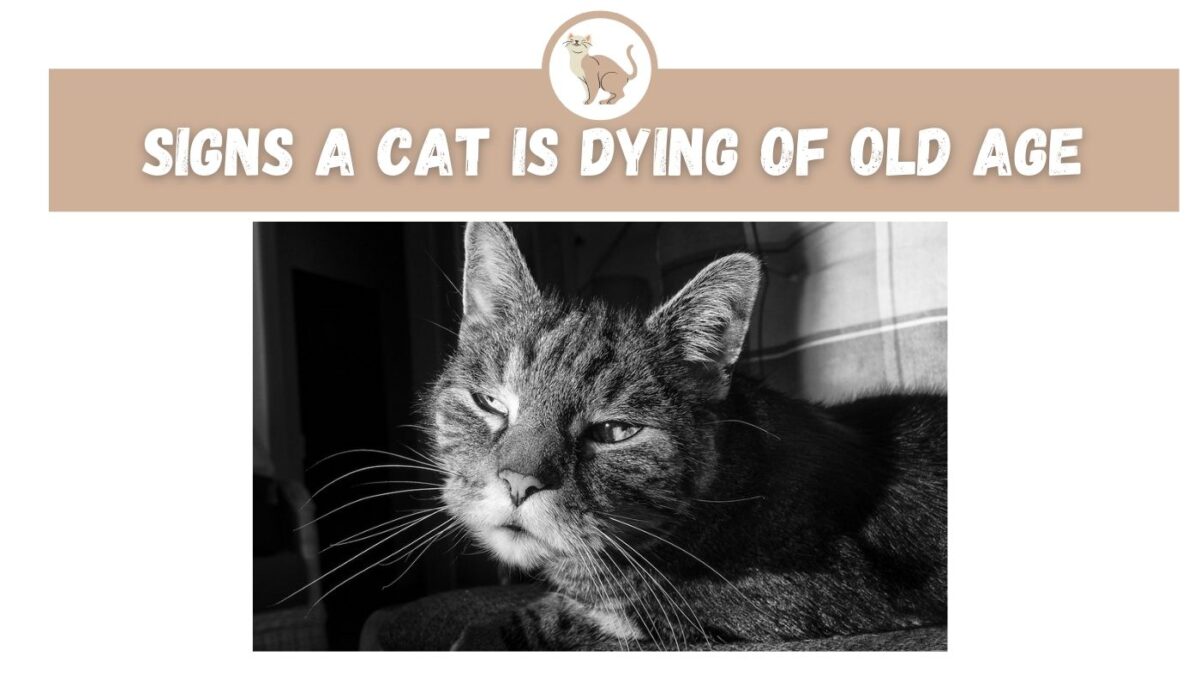
Signs A Cat Is Dying Of Old Age Image Repository
If they start walking into walls it can be a sign that they are losing their vision.

Signs a cat is dying of old age. Some are stoic and withdraw from their human family, others can become more clingy. Senior cats may stop grooming themselves and look scruffy. Also, watch your cat's breathing and try to count how many breaths it takes per minute.
Accompanying your cat in his last days is cause for celebration. For most, dogs become a part of one's family and losing one is paramount to losing a. Dying cats will become withdrawn and irritable, unprovoked aggression may become more common, the cat’s appetite will change, and it’ll spend more time hiding or become clingy as it feels afraid.
Hiding is the telltale sign of illness in cats, but can be hard to define. Dying cats will become withdrawn and irritable, unprovoked aggression may become more common, the cat’s appetite will change, and it’ll spend more time hiding or become clingy as it feels afraid. Sleeping & rest related cat signs of dying 1.
Weight loss, an unpleasant odor, and other symptoms of aging can indicate your cat may be approaching the end stage of its life, but the severity of the symptoms can help you determine how much time is left. Lying in unusual places the cat doen’t normally rest in. They may have trouble using the litter box.
People search for signs that their cat is dying of old age. Each of these symptoms can be associated with aging in cats, but should always be explored by your veterinarian just in case. If your cat is experiencing any of the above signs, it might mean that your cat is dying of old age.
Loss of appetite could be one of the many signs that your cat is dying of old age, liver failure, or even cancer. Some signs a cat is dying of old age include decreased appetite, weight loss, dehydration, and behavior changes. When your cat is dying it shows various signs of ageing as it grows old, loss of weight, loss of appetite, refusal to play, eat or drink.
Some cats will die from these toxic buildups. An elderly cat dying goes through this old cat dying process. What are the symptoms of a cat dying of kidney failure?
Signs your cat could be dying. Signs a cat is dying of old age. You may notice that your cat's limbs feel cool to the touch.
Breathing very quickly, or very slowly, while resting or sleeping. However, the severity of the symptoms can help you calculate how much time your cat has left. The buildup of toxins in the blood can lead to a depressed cat or even more severe neurologic signs such as seizures, circling, or head pressing.
Your cat may vomit or have diarrhea and often shows a loss of appetite with corresponding weight loss. Weight loss is very common in senior cats. One sign of an old cat is he or she starts sleeping more (because as we get older, we sleep more).
The daily mail reported his death of old age yesterday. Recognizing the signs a cat is dying of old age can help you make the best choice for your pet. Signs a dog is dying of old age, (symptoms & behavior) last updated:
The physical process of dying can take months depending on the diagnosis and is divided into two stages. A slow and sedate movement may indicate their ability to think quickly is being hampered by illness. Telltale signs an old cat is dying recognizing the signals that your cat is nearing the end of his or her life will assist you in making the best decision for your pet.
Movement related cat signs of dying 1. Some signs a cat is dying of old age include decreased appetite, weight loss, dehydration, and behavior changes. Heavy breathing, seizures, lower body temperatures, and an unkempt appearance are other signs.
Think about him and be. The last cat that lived by our side died too young from illness and we would have liked to accompany him until his old age. To know if your cat is dying, try feeling its heartbeat and counting the beats per minute.
Signs a cat is dying can vary enormously: Physical signs a cat is dying how to spend the last day of your cat’s life together. Identifying these signs is what we are going to discuss today.
Even when provided with a warm bed and environment, cats nearing death often have a low body temperature. Eating & drinking signs that a cat is dying 1. Older cats may experience stiffness, slow mobility, slight weight loss, and appetite changes.
Heavy breathing, seizures, lower body temperatures, and an. Struggling to breathe while resting or sleeping. Weight loss, an unpleasant odor, and other signs of aging might signal that your cat is reaching the end of its life;
A classic sign that a cat is dying of old age. Senior cats increasingly have trouble regulating their body temperature, and will be more susceptible to heat and cold than healthy adult cats.
An animal that is tied or caged with little room to move, stand, or turn; Nails that are longer than they should be, fur that doesn’t seem very healthy, walking with an unusual gait, and having places on their body that they don’t like to be touched are all signs that they may.

14 Severely Neglected Dogs Rescued in Mills... Fundly
The recent seizure of 66 ill and neglected dogs and puppies from a langley dog breeder is shining a spotlight on a cruel, large and hidden problem:

Signs a dog is being neglected. He has also told me that the dog has shown signs of being physically abused as well. On thur night my nearly 15 year old daughter was out in town with her boyfriend enjoying a local twilight market when they noticed a severely neglected very old dog wandering the streets, instead of turning a blind eye my daughter decided we needed to help, she managed to follow the dog to its yard, find out who it belonged to and report it to. Some cruelty is emotional and can leave scars as debilitating as physical ones.
In addition, signs of restraint may be evident on animals subjected to sexual abuse. Being left alone or in the care of other young children. More likely you will notice obvious signs of trauma, including scars, open wounds, infections, and even missing body parts, such as.
Not all abuse is delivered in the form of beatings. If you always busy,cause you have no time and energy to play with the dog,the dog maybe repeating an action or an act alone, such as constantly chasing your tail, licking your paws,poor appetite or mood uncertainty. Among the signs of potential animal neglect and abuse that you can look for are a poor coat and body condition (with untreated open sores and obvious wounds being most telling);
Look for signs that the dog is being neglected. Puppy mills and unscrupulous breeders. These signs might be concerning, but they’re not a guarantee that a dog is being neglected.
You may also notice overgrown nails or that the dog's collar is too tight. Some obvious signs of neglect are overgrown nails, hair that is matted, and underweight dogs that are thin and continues to thin. After being neglected and abandoned, this senior dog is on his way to recovery but still needs his forever home by ana safe he's 15 years old and he.
Choking, setting tails on fire, putting rubber bands around limbs or tails, dunking heads under water, kicking, hitting repeatedly these are definite acts of abuse. Some dogs could be recovering from something, which is why they might look more weak or ill than usual. Sometimes animals are neglected because.
Mange (missing hair, body covered in sores) Petechia or hemorrhages may be seen on the pinnae and/or tail if those. Missing a lot of school.
Chains or other objects that have embedded into an animal’s. The bc spca says the operation was raising highly sought after “designer” or purebred breeds in horrible conditions, and selling them for thousands of dollars to unsuspecting adopters on buy and sell. Dogs often engage in destructive behavior when feeling neglected, like excessive digging, chewing and scratching.
Poor weight gain and growth. Neglected dogs may have an unhealthy, dull, or matted coat or fur loss. Another way they might express their feelings of frustration are through barking and howling fits, particularly at night.
All dogs, even dogs with short hair, must be brushed and bathed regularly. Signs of neglect may include: You may see training implements, treadmills, spring poles, etc.
There are some obvious signs of neglect to be on the lookout for: This is especially common with bully breed dogs, and even roosters. Long, broken and jagged nails are also signs of neglect.
Left alone for a long time; Dog being neglected i know of a husky puppy that is being neglected at a business on flushing at evergreen. Doesn't get medical, dental, or mental health care (medical neglect) sep 8,.
They are showing frequent signs of illness, such as vomiting or diarrhea. His roommate never feeds or takes his dog outside at all (my friend does it for him). A lack of food, water, shelter, and sanitation;
It basically is livingin a cage andnot being walked properly, especially on the weekends since there are few people working then. If you see such a thing, you ll probably be outraged and want to bolt outside to confront the abuser. If you are suspicious that a dog owner may be neglecting his dog, be sure that you understand the situation before you try to do anything.
Neglect in some eyes is a form of abuse, although the dog or animal is not having pain inflicted on them, neglect can still cause injury and health problems. What are the signs of a neglected dog? A friend of mine told me that his roommate is completely neglecting his husky.
If your dog was too skinny or had healing wounds when you adopted them, it’s pretty obvious that your dog was neglected in their previous home, but some symptoms are more subtle. Scared and overly submissive behavior are sometimes signs of emotional abuse. It’s important to be able to recognize the signs of emotional abuse in dogs and how to manage it.
Dogs who are dirty, have matted fur or bald spots may be neglected by their owners. Sign up to our teamdogs newsletter for your weekly dose of dog news, pictures and stories. Eating more than usual at a meal or saving food for later.